
"fruit coffee"
52000 article(s) found

How to produce Yunnan Coffee
Professional coffee knowledge exchange more coffee bean information please follow the coffee workshop (Wechat official account cafe_style) Yunnan small grain coffee fresh fruit picking and initial processing washing treatment steps Yunnan coffee fresh fruit harvest, generally divided into three batches of harvest period: the end of October to mid-December for precocious fruit, less yield; mid-December to the end of January is the coffee fruit concentrated ripening period, this batch of coffee total

Sunburn Yega Xuefei all Red Fruit Helios Coffee hand Powder Water ratio recommended _ Solar Yega cooking suggestion
Professional coffee knowledge exchange more coffee bean information please follow the coffee workshop (Wechat official account cafe_style) 2018 new production season Ethiopia Jose processing station all red fruit sun Yega Sheffield coffee G1 origin. Yirgacheffe,Gedeo Zone,SNNP,Ethiopia processing plant. Garse Station altitude. 2050m bean seed. Ethiopia Heirloom / Ethiopia
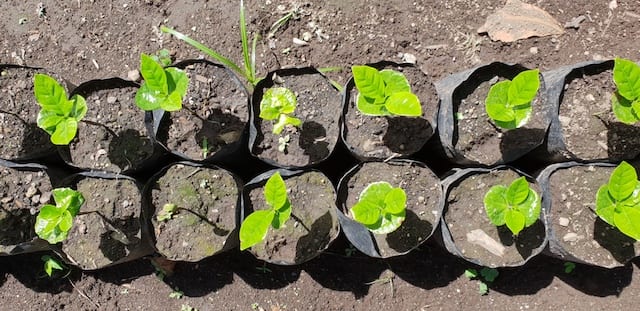
What does the coffee tree look like? What kind of coffee do you have? What are the characteristics of flowers and fruits of coffee trees?
Professional coffee knowledge exchange more coffee bean information Please follow the coffee workshop (Wechat official account cafe_style) when you drink a delicious latte or handmade coffee, it is hard to imagine that it is the product of a plant, the fruit produced by countless coffee trees in the world provides the source of our vitality. But what exactly does a coffee tree look like? What kind do you have? And coffee trees.

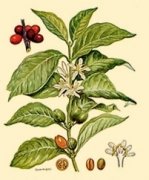
Coffee encyclopedia Coffee trees, Coffee Flowers, Coffee fruits
The coffee tree is an evergreen tree with small white flowers and green fruit that does not turn red until it is ripe. A normal coffee tree can usually grow to a height of 5 to 10 meters, but bean farmers often prune it to less than 2 meters for harvest convenience. After flowering, there are many dark green oval fruits, and the mature fruits change from dark green to bright red, due to the color and cherry.

How to avoid the stink of coffee beans? what's the secret to storing coffee?
This is like fruit. If you eat it before it is ripe, it will taste sour. When ripe, the organic acids in the fruit are converted into sugar, and the taste is sweet and delicious. The same is true of coffee fruit. The sugars contained in ripe coffee red fruit, pulp and parchment are completely infiltrated into the beans, greatly increasing the aroma and fruit aroma of coffee beans. It has high sweetness and sour taste.
The basic concept of coffee beans
There are more than 60 species of coffee plants in the world, only 25 species are cultivated for coffee production, of which only 4 species are used as commercial coffee: Coffee liberica, Coffee canephora, Coffee arabica and Coffee deweverei, which are botanical scientific names. Coffee in the world today.

Boutique coffee learn coffee trees, coffee flowers, coffee fruits
The coffee tree is an evergreen tree with small white flowers and green fruit that does not turn red until it is ripe. A normal coffee tree can usually grow to a height of 5 to 10 meters, but bean farmers often prune it to less than 2 meters for harvest convenience. After flowering, there are many dark green oval fruits, and the mature fruits change from dark green to bright red, due to the color and cherry.

Fruit coffee market occupy "coffee looking for long" to find partners
Professional barista exchanges, please pay attention to coffee workshop (Weixin Official Accounts cafe_style ) A coffee shop selling fruit coffee will officially open in downtown Taipei in August. As its name implies, this is a very different cafe, focusing on fruit lattes, combined with 100 innovative commodities sold at the same time, and also launched a one-day store manager operation mode, welcoming young people to invest.

The birth of coffee beans (1)
Coffee trees take 3-5 years from planting to fruiting. 6-10 Coffee trees bear fruit most easily in 15-20 years, which is the harvest period. Coffee trees are usually bred in nurseries, grown into saplings, and then moved to coffee plantations a year later, following exactly the same methods used by Arabs to grow coffee trees. For the first four or five years of its life, coffee trees take root downwards and grow upwards.
Basic knowledge of boutique coffee the growth of coffee trees
The growth and fruit of coffee trees varies with different varieties / environmental conditions. In the high altitude area of Yunnan, the small seed coffee cultivated has the advantages of cold climate, large cloud cover, short light and slow plant growth, but the branches develop into sturdy backbone branches after the first branch bears fruit, and the second / third branch has strong ability to produce. The growth is exuberant and the fruit is dense, which is the main fruiting branch, so it is suitable to adopt single trunk shaping. Two / three
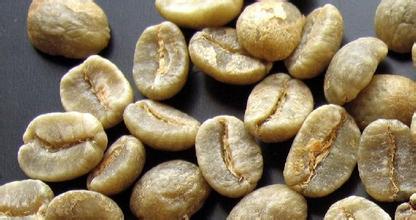
The main points of knowledge of coffee beans: a detailed introduction of the process from fruit to raw coffee beans
Coffee training basics-from fruit to raw coffee beans: a coffee tree can harvest 3-5 kilograms of fruit, and raw coffee beans account for 5% of the fruit quality. Going from fruit to raw coffee beans is really a time-consuming and laborious task. Arabica and Robusta Arabica coffee account for about 2% of the world's coffee production. The plant is not suitable for high temperature, low temperature, more rain and less rain.

How long does it take for coffee trees to blossom to mature
One of the characteristics of a coffee tree is that its fruit can bear fruit several times a year, and that flowers and fruits (also known as cherries) coexist at different stages of ripening. The whole coffee harvest is swayed by the vagaries of nature. If the fruit is too ripe, the beans in it will rot. If it is not ripe enough, the beans picked will not

Coffee from fruit to raw bean dry washing semi-washing refined Colombian coffee beans
Coffee changes from fruit to raw bean there is a pair of oval seeds in the middle of the fruit, which are covered with outer skin, inner pulp and pulp. Ripe fruit spoils in a short time without treatment. Refining is to remove the skin and pulp of the coffee fruit, and then take out the seeds. Generally speaking, about 1 kg of raw coffee beans can be obtained from 5 kg of coffee fruit. The refining methods include drying and washing.

Boutique Indonesian coffee bean wahana Hua Hanna honey fruit
Wahana Manor from Indonesia honey-treated coffee beans, referred to as Hua Hanna honey fruit. The so-called honey-treated coffee beans is actually a compromise without good coffee treatment. Hua Hanna honey fruit is impressive with a light and soft sour taste; it is an approachable coffee bean that is not as fishy as Indonesia's Mantenin coffee beans in the past. The so-called honey treatment is called Honey Proc

The growth of coffee trees the process of growing coffee beans
The growth and fruit of coffee trees varies with different varieties / environmental conditions. In the high altitude area of Yunnan, the small seed coffee cultivated has the advantages of cold climate, large cloud cover, short light and slow plant growth, but the branches develop into sturdy backbone branches after the first branch bears fruit, and the second / third branch has strong ability to produce. The growth is exuberant and the fruit is dense, which is the main fruiting branch, so it is suitable to adopt single trunk shaping. Two / three

The growth process of planting Coffee trees basic knowledge of Coffee
The growth and fruit of coffee trees varies with different varieties / environmental conditions. In the high altitude area of Yunnan, the small seed coffee cultivated has the advantages of cold climate, large cloud cover, short light and slow plant growth, but the branches develop into sturdy backbone branches after the first branch bears fruit, and the second / third branch has strong ability to produce. The growth is exuberant and the fruit is dense, which is the main fruiting branch, so it is suitable to adopt single trunk shaping. Two / three

The production process of coffee beans A coffee tree can harvest 3 Mel 5 kg of fruit.
A coffee tree can harvest 3-5 kg of fruit, and raw coffee beans account for 1. 5% of the fruit quality. Going from fruit to raw coffee beans is really a time-consuming and laborious task. Arabian, Robusta and Librian Arabian coffee account for about 2% of the world's coffee production. The plant is not suitable for high temperature, low temperature, more rain and less rain. Coffee beans are oval flat and have a high height.

Production time of Brazilian coffee beans-- introduction to the planting environment of manor producing areas pictures of Brazilian coffee trees
The planting environment of Brazilian coffee picking season-manor growing area when the coffee fruit changes from turquoise to full wine red, it indicates that it is ripe, but there are also some strange varieties, the ripe coffee fruit appears yellow. The coffee fruit looks like cranberries or cherries, but the shape is closer to the oval. Coffee farmers usually judge whether the coffee fruit is successful by pinching the coffee fruit with the thumb and index finger.

Arabica beans turned out to be small fruit coffee? Arabica Coffee and Arabica Coffee
Professional coffee knowledge exchange More coffee bean information Please pay attention to coffee workshop (Weixin Official Accounts cafe_style) Small fruit coffee (scientific name: Coffea arabica), also known as Arabic coffee, Arabica coffee, is a species of Rubiaceae coffee genus, is the most traditional coffee variety. Originated in East Africa, coffee was monopolized by the Arab world for a long time before the 15th century AD

Coffee tree, coffee flower, coffee fruit detailed introduction to understand the growth process of coffee beans
Coffee tree is an evergreen tree with small white flowers and green fruits that turn red when ripe. A normal coffee tree can grow to 5 to 10 meters tall, but farmers often prune it to less than 2 meters to make it easier to harvest. After flowering bear a dark green oval fruit, mature fruit from dark green to bright red, due to color and cherry